Communications Vulnerabilities: Lessons from the Grid
Learn about the critical vulnerabilities in our modern communications infrastructure, from physical threats to corporate neglect, and how to build your own resilient 'Grid Down' comms plan.
Title: Communications Vulnerabilities: Lessons from the Grid
Excerpt: Learn about the critical vulnerabilities in our modern communications infrastructure, from physical threats to corporate neglect, and how to build your own resilient 'Grid Down' comms plan.
Featured Image: https://cdn.marblism.com/eayZD7VCjKI.webp
Tags: Communications, Grid Down, Preparedness, HAM Radio, Infrastructure, Resilience
Communications Vulnerabilities: Lessons from the Grid

Self-Reliance · Resilience · Readiness
Most of us take it for granted. We pick up our phones, send a text, and expect it to arrive instantly. But behind that screen is a complex, aging, and surprisingly fragile web of infrastructure. In a recent episode of the Prepping Academy Radio Show, I sat down with Patrick from Grid Down Comms Up to talk about exactly how vulnerable that system really is.
The hard truth? The grid isn't as solid as you think. From physical sabotage to corporate neglect, the lines of communication we rely on every day are under constant threat. If the grid goes down, your ability to communicate determines your ability to survive. At Garvin Academy, we focus on moving beyond theory into real action items that secure your family's future.
Here are the primary vulnerabilities we’re facing and what you can do to stay connected when the rest of the world goes dark.
The threat of physical security
We often think of grid threats as invisible hacker attacks, but some of the biggest risks are physical. Communication towers, fiber optic lines, and switching stations are often located in remote areas with minimal security. It doesn't take a nation-state actor to cause a massive outage, just someone with a pair of bolt cutters or a rifle.
We've seen an increase in physical attacks on substations and infrastructure across the country. These systems are "soft targets." When one node goes down, it can cause a cascading failure that leaves entire regions without cellular or internet service for days or weeks. For example, the 2022 attacks on substations in North Carolina showed how quickly a physical breach can disrupt life for tens of thousands of people.
Most cell towers only have enough battery backup to last four to eight hours. If the power grid stays down longer than that, and the technicians can't get out to refill the generators, the tower goes silent. Your plan must account for the fact that the physical hardware of the internet is not invincible.

Cyber security: the invisible front line
While physical threats are real, cyber attacks are the most frequent. Our communications networks are now almost entirely digital, making them prime targets for ransomware and state-sponsored disruption. When a major carrier gets hit, it’s not just your Netflix that stops working, it’s emergency services, logistics, and your ability to reach your family.
Recall the massive AT&T outage in early 2024. While it was ultimately attributed to a technical error during network expansion, the chaos it caused highlighted a critical flaw: centralization. When millions of people rely on a single provider's "cloud," a single mistake or a malicious line of code can blind an entire nation.
The lesson here is simple: if you rely on a system that requires a login and a central server, you are vulnerable. You need a way to communicate that doesn't depend on a third-party corporation's firewall. Your security depends on your independence from these massive, target-rich environments.
The silent killer: rust and neglect
This is the one nobody talks about. Much of our communications infrastructure was built decades ago and is literally rotting in place. Rust, weather, and lack of maintenance are constant threats. Because these systems are buried or high up on mountains, we don't see the decay until it’s too late.
In many parts of the country, we are still using copper lines and aging switching gear that was never intended to handle the digital load of the 21st century. We are operating on a "fix it when it breaks" model rather than a "resilience by design" model. As the infrastructure ages, the frequency of "spontaneous" failures will only increase. Weather events that used to be minor inconveniences now trigger massive outages because the systems are already at their breaking point.
Corporate profit over resilience
Why isn't the system more robust? In a word: profit. Building redundancy costs money. Having backup generators at every cell tower or redundant fiber paths doesn't look good on a quarterly earnings report if they aren't being used daily.
Corporations optimize for efficiency, not for survival. This is the "just-in-time" delivery model applied to data. This means that when a disaster hits, whether it's a hurricane or a hack, the system has zero "slack." It breaks instead of bending. You cannot depend on a for-profit entity to prioritize your emergency communications over their bottom line. Your family's safety is not an line item in their budget.

How to build your "Grid Down" comms plan
The goal isn't to be paranoid; it's to be prepared. When the grid goes down, "Comms Up" should be your immediate reality. Based on my 20+ years of experience in the field, here’s how you start building your own resilient network:
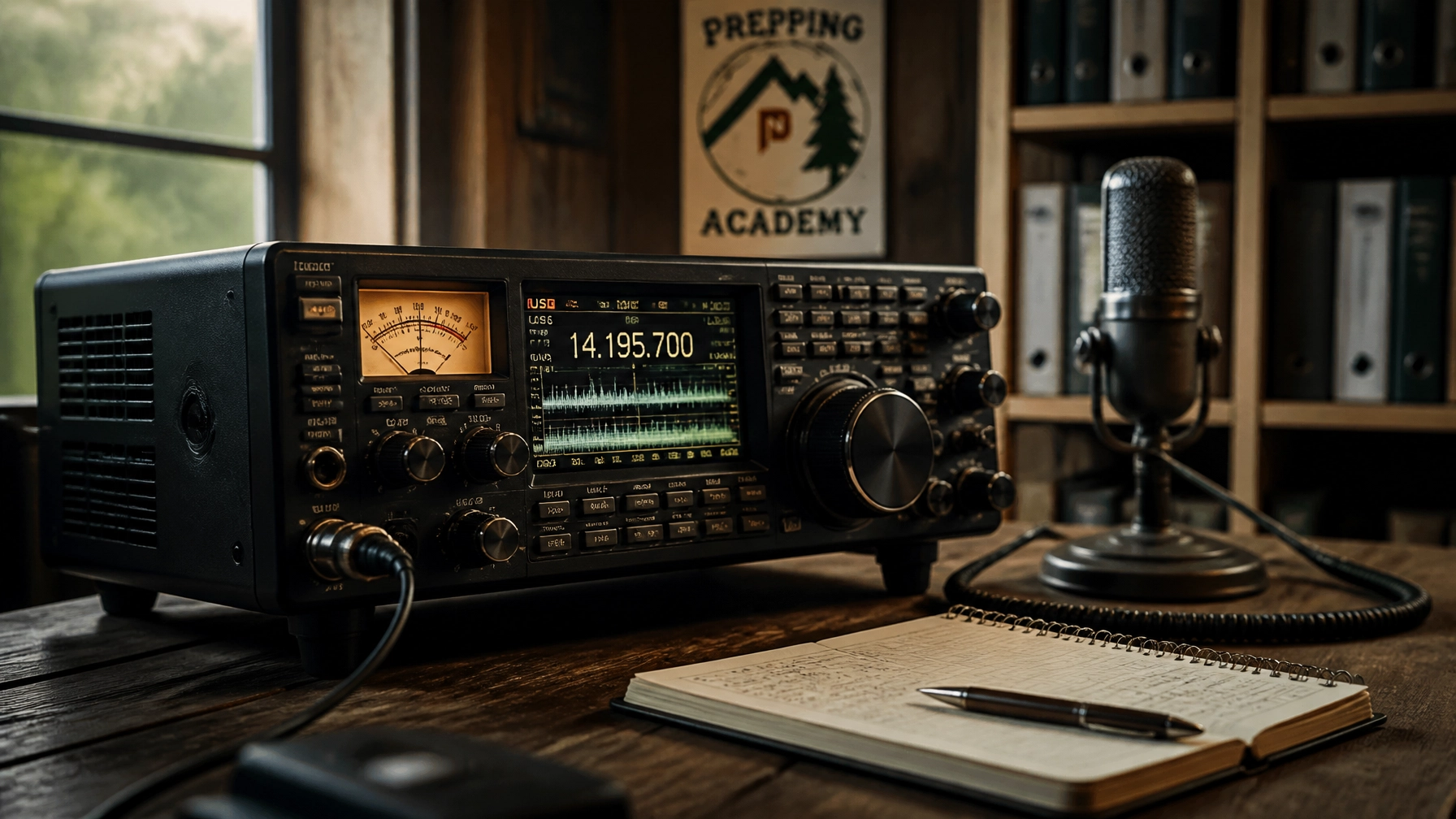
- HAM Radio: It’s the gold standard for a reason. With the right setup, you can talk across the street or across the world without a single cell tower. Join groups like AmRRON to learn how to pass data and voice when the internet is dead. This isn't just a hobby; it's a vital survival skill.
- GMRS and MURS: Perfect for local, family-level communications. They are easier to use than HAM and don't require an intensive exam, but they still get you off the commercial grid. GMRS requires a simple license with no test, making it the best entry point for families.
- Meshtastic: This is the new frontier. Using low-power LoRa radio, you can create your own private, encrypted mesh network for text messaging. It’s off-grid, decentralized, and incredibly resilient. If one node fails, the message simply finds another path.
- The Analog Backup: Never underestimate a paper map and a pre-arranged meeting spot. If all electronics fail, knowing where your family will be is the ultimate communication. Real action items include printing out a "comms card" for every family member with frequencies and meeting locations.

Strategies for information intake
Communication is a two-way street. While you need to talk to others, you also need to receive information. In a grid-down scenario, your smartphone won't give you the news. You need dedicated receivers:
- NOAA Weather Radios: These should be in every home. They provide immediate alerts for natural disasters.
- Shortwave Radio: For international news and long-distance broadcasts. When local stations go dark, shortwave often keeps running.
- AM/FM Receivers: Simple, battery-powered radios can pick up local emergency broadcasts that are often more reliable than digital feeds.
The importance of practice
Buying the gear is only 10% of the battle. The other 90% is knowing how to use it under pressure. At Garvin Academy, we advocate for "No-Cell Weekends." Try turning off your phones and seeing if you can coordinate a family outing using only your radios. You’ll quickly find the "dead zones" in your neighborhood and learn the limitations of your equipment. Your readiness is forged in practice, not in a shopping cart.

Common questions (FAQ)
Do I really need a license for these radios?For HAM and GMRS, yes. The GMRS license is a small fee with no test. The HAM license requires a test but opens up massive capabilities. In a true life-or-death emergency, FCC rules allow for unlicensed transmission, but you need the license now to practice and learn the skills before the emergency happens.
Is HAM radio too difficult for a beginner?
Not at all. With the right guidance and a bit of study, most people can pass the Technician exam in a weekend. We offer resources to help you bridge that gap quickly.
What is the range of these radios?
Handheld radios (GMRS/MURS) generally reach 1-5 miles depending on terrain. HAM radios can reach hundreds or thousands of miles using repeaters or HF frequencies. Distance is determined by your equipment, power, and antenna height.
How much does a basic setup cost?
You can get started with a decent pair of GMRS radios for under $100. A basic HAM setup might cost $150-$300. It’s an investment in your independence.
Your next steps
Don't wait for the bars on your phone to disappear before you think about a backup. Start small. Get a pair of quality walkie-talkies, learn the basics of radio, and connect with a local preparedness group like PrepperNet. The community support you find there is just as important as the gear you buy.
The grid is fragile, but your connection to your community doesn't have to be. Take control of your communications today. Your goals are within reach if you take that first step now.
Want to go deeper? Check out our Communications for Preparedness resources in the Garvin Academy course library. We provide the practical training you need to stay connected when it matters most.
SEO Title: Communications Vulnerabilities & Grid-Down Comms | Garvin Academy
Meta Description: Explore the threats to our communication systems and learn how to prepare for a grid-down scenario with insights from Forrest Garvin and the Prepping Academy.
Image Link: https://cdn.marblism.com/eayZD7VCjKI.webp
Related articles
 Preparedness
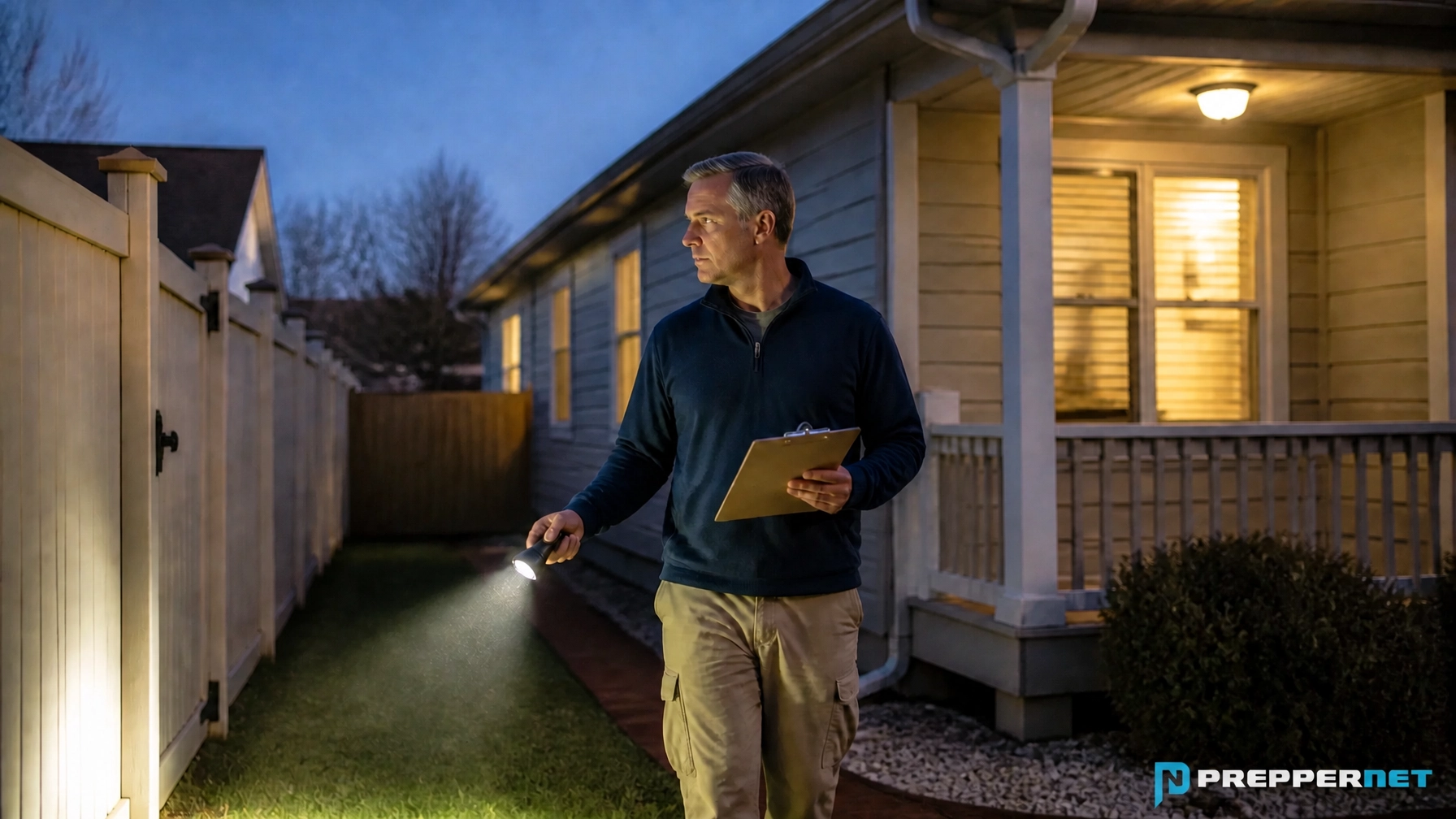
Home Security Fundamentals: Hardening Your Perimeter Before the Crisis Hits
A practical, layered system for improving home security before a crisis. Inspect your perimeter, remove vulnerabilities, harden entry points, improve lighting, and practice with your household.
 Preparedness
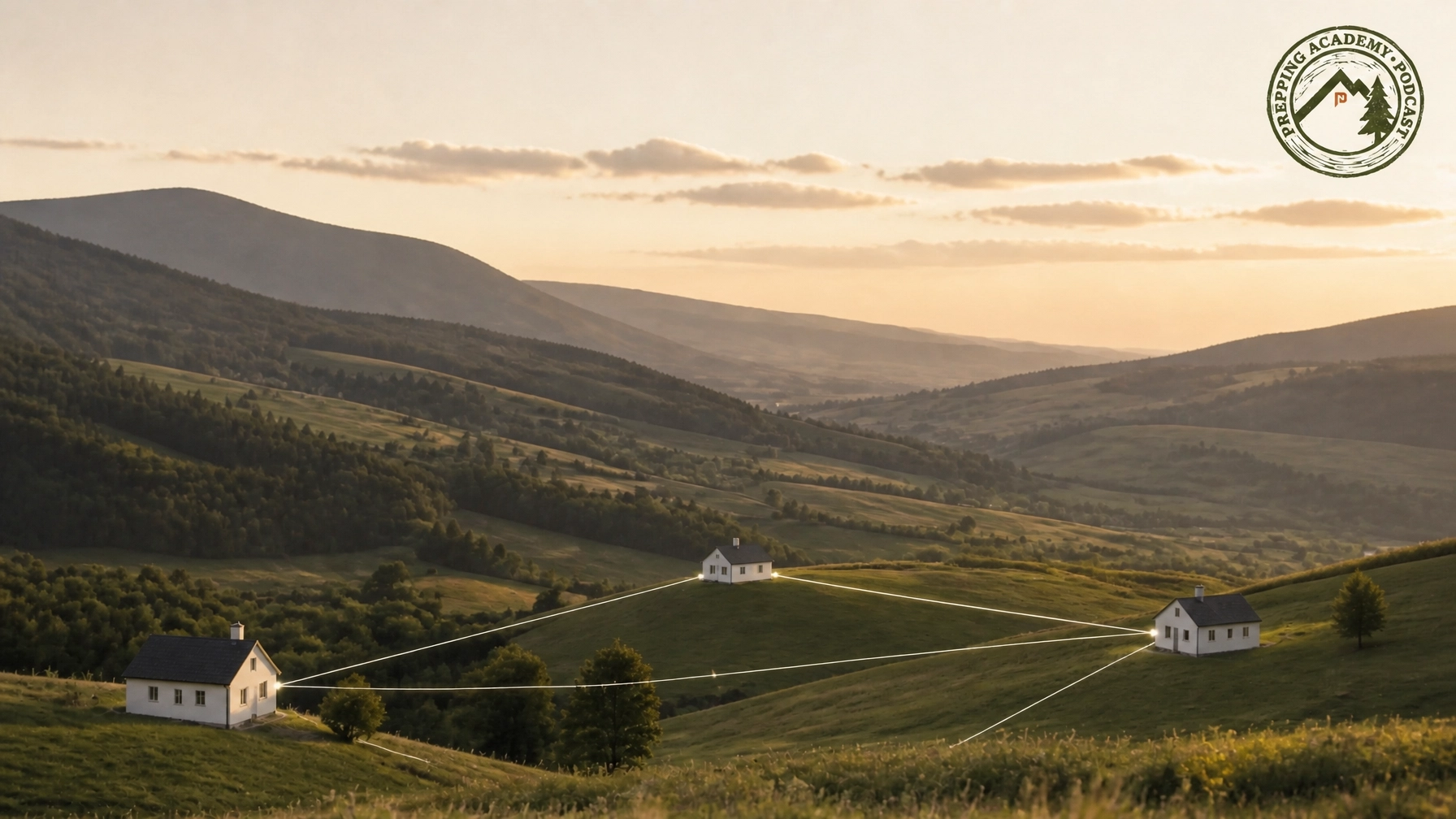
5 Steps to Build a Mesh Network and Stay Connected (Easy Guide for Beginners)
Learn how to build an off-grid mesh network with this beginner's guide. Stay connected with your tribe when cell towers fail using Meshtastic.
 Preparedness
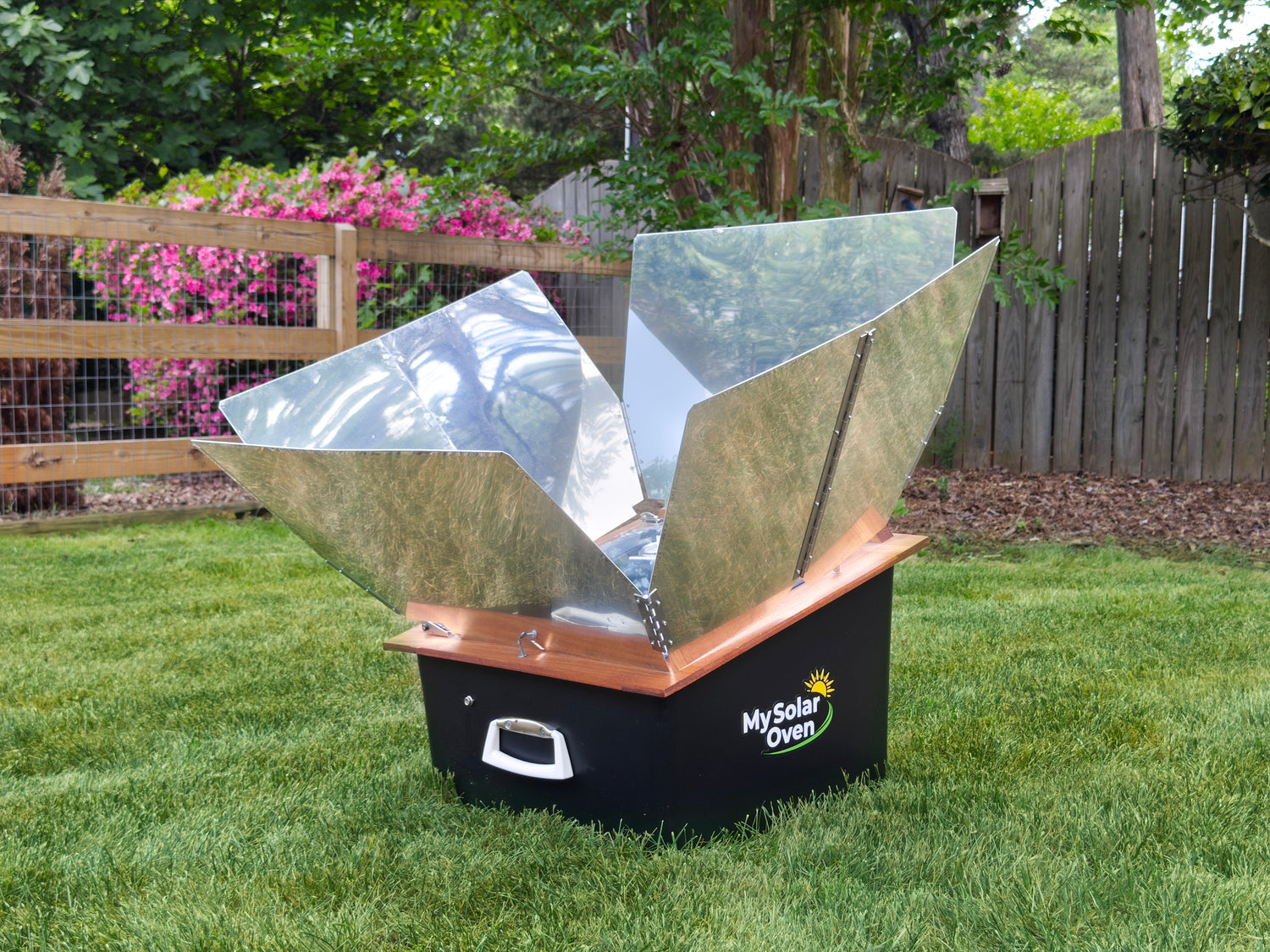
Solar Cooking with the My Solar Oven
Harness the power of the sun. Learn how to bake, cook, and pasteurize using the My Solar Oven—no fuel required.