
Teaching Kids Survival Skills: Building the Next Generation of Resilient Americans
Most parents think they are protecting their children by shielding them from reality. They are wrong.
They are making them vulnerable.
In a world where comfort is the default, resilience has become a rare commodity. If the power goes out, most kids panic. If they get lost in the woods, most kids freeze. If a minor injury occurs, most kids are helpless.
This isn't their fault; it’s ours.
True protection isn't about removing every obstacle. It’s about giving your children the tools and the mindset to overcome them. We aren't just raising kids; we are raising the next generation of Americans who need to be self-reliant, capable, and ready for whatever comes next.
Skill Over Gear: The Preparedness Philosophy
You can buy your kid the most expensive tactical backpack on the market. It won't save them.
Tools are useless without practice.
Gear is dead weight without experience.
A kit is a false sense of security without a trained mind.
Teaching kids survival skills isn't about "doomsday prepping" or scaring them. It’s about building confidence. When a child knows how to handle a situation, they don't fear it. They manage it.
The "If-Then" Reality
- If you have a deep pantry but your teenager can't cook a meal without a microwave, your food security is fragile.
- If you have a bug-out plan but your 7-year-old doesn't know the meeting spot, your plan is broken.
- If you have a first-aid kit but no one knows how to use a bandage, your medical prep is a prop.
Action Items:
- Stop buying "stuff" for a week. Start practicing one skill instead.
- Turn off the Wi-Fi for four hours and see how the family handles the "blackout."
- Evaluate your current family preparedness plan and find the gaps where your kids are currently dependent on you for basic safety.
The Age-Appropriate Roadmap
You don't teach a toddler to build a friction fire. You start with the fundamentals and layer responsibility as they mature.
Ages 3–5: The Safety Foundation
Focus: Stay safe and get help.
At this age, the goal is simple: don't make the situation worse.
- Key Info: They must know their full name, your full name, and your address.
- The S.T.O.P. Rule: If they are lost, they stop immediately. They don't move. They stay put until found.
- Emergency Calls: Practice dialing 911 on a deactivated phone. Teach them what to say.
Ages 6–8: The Practical Assistant
Focus: Basic first aid and situational awareness.

At this stage, kids can start becoming active participants in the household's resilience.
- Minor First Aid: Teach them how to clean a scrape and apply a bandage properly.
- Water Safety: Ensure they can swim and understand the dangers of moving water.
- Fire Drills: They should know exactly how to exit the house and where the external meeting spot is located.
Ages 9–12: The Young Survivor
Focus: Core wilderness and urban survival skills.

This is where the real work begins. This age group is capable of handling tools under supervision.
- Navigation: Teach them how to read a basic topographic map and use a compass. Start with a "treasure hunt" in the backyard.
- The Rule of 3s: Teach them the priorities: 3 minutes without air, 3 hours without shelter, 3 days without water, 3 weeks without food.
- Fire Building: Under strict supervision, teach them how to gather tinder, kindling, and fuel to start a small campfire.
Teens: The Leader in Training
Focus: Advanced skills and group responsibility.
Your teenagers should be able to function as adults in an emergency scenario.
- Tool Proficiency: Safe handling of knives and multi-tools.
- Advanced First Aid: Enroll them in a local CPR or Stop the Bleed course.
- Resource Management: Let them manage the rotation of the family go-bags.
Building the System: The Family Preparedness Plan
Preparedness is not a hobby. It is a system. If it isn't documented and practiced, it doesn't exist.
1. Define the Scenarios
What are the three most likely threats in your area? Is it a hurricane? A grid failure? A house fire? Discuss these calmly. Use "what if" games during car rides to keep their minds sharp.
2. Create Individual Go-Kits
Every child needs a kit they can actually carry. If it’s too heavy, they will drop it.

Action Items for the Kid's Kit:
- A high-decibel whistle (like the LuxoGear Emergency Whistle).
- A small, reliable LED flashlight.
- A water bottle and high-calorie snacks they actually like.
- A laminated card with all family contact information.
3. Practice the Drills
Run a "Fire Drill" at 2:00 AM once a year. Run a "Lost in the Woods" drill during your next camping trip. Repetition builds muscle memory. Muscle memory beats panic every time.
The Power of the Community (MAG) Setting
You shouldn't be doing this alone. At PrepperNet, we emphasize the "Mutual Assistance Group" (MAG) concept.
When "community kids" learn together, it isn't a chore, it’s a social event. They compete to see who can build the best shelter or find the most North-facing moss. They build bonds with other families who value independence.
This creates a culture of preparedness. It makes being capable "cool" again.
Action Item: Find your local PrepperNet Meetup Group and bring the kids to the next training session. Let them see other adults and children taking these skills seriously.
Common Questions
Q: Is this going to make my kids anxious?
A: No. Anxiety comes from the unknown. Competence creates confidence. When a child knows what to do during a power outage, it becomes an adventure, not a crisis.
Q: Where do I start if I don't know these skills myself?
A: Learn with them. Be honest. Say, "I want us to learn how to use a compass together." It models the behavior of a lifelong learner.
Q: What is the most important skill for a child?
A: Communication and staying calm. If they can keep their head when everyone else is losing theirs, they have already won half the battle.
Your Responsibility Starts Now
The world isn't getting any simpler. The vulnerabilities in our systems are becoming more apparent every day. You have a choice: you can raise a child who is a victim of circumstances, or you can raise a child who is a master of them.
Don't wait for a disaster to find out your kids aren't ready.
Step 1: Download our Free Preparedness Ebook to get your household baseline established.
Step 2: Schedule a "Skill Saturday" this weekend. Pick one thing: fire, water, or navigation: and get outside.
Step 3: Join the movement. Connect with like-minded families at PrepperNet.com.
The next generation is counting on you. Don't let them down.
Metadata Summary
- SEO Title: Teaching Kids Survival Skills: Building Resilient Families | PrepperNet
- Meta Description: Learn how to teach your kids essential survival skills. From fire safety to navigation, build a resilient next generation with our age-appropriate guide.
- Excerpt: Shielding kids from reality doesn't protect them; it makes them vulnerable. This is the no-nonsense guide to teaching kids survival skills and building resilience.
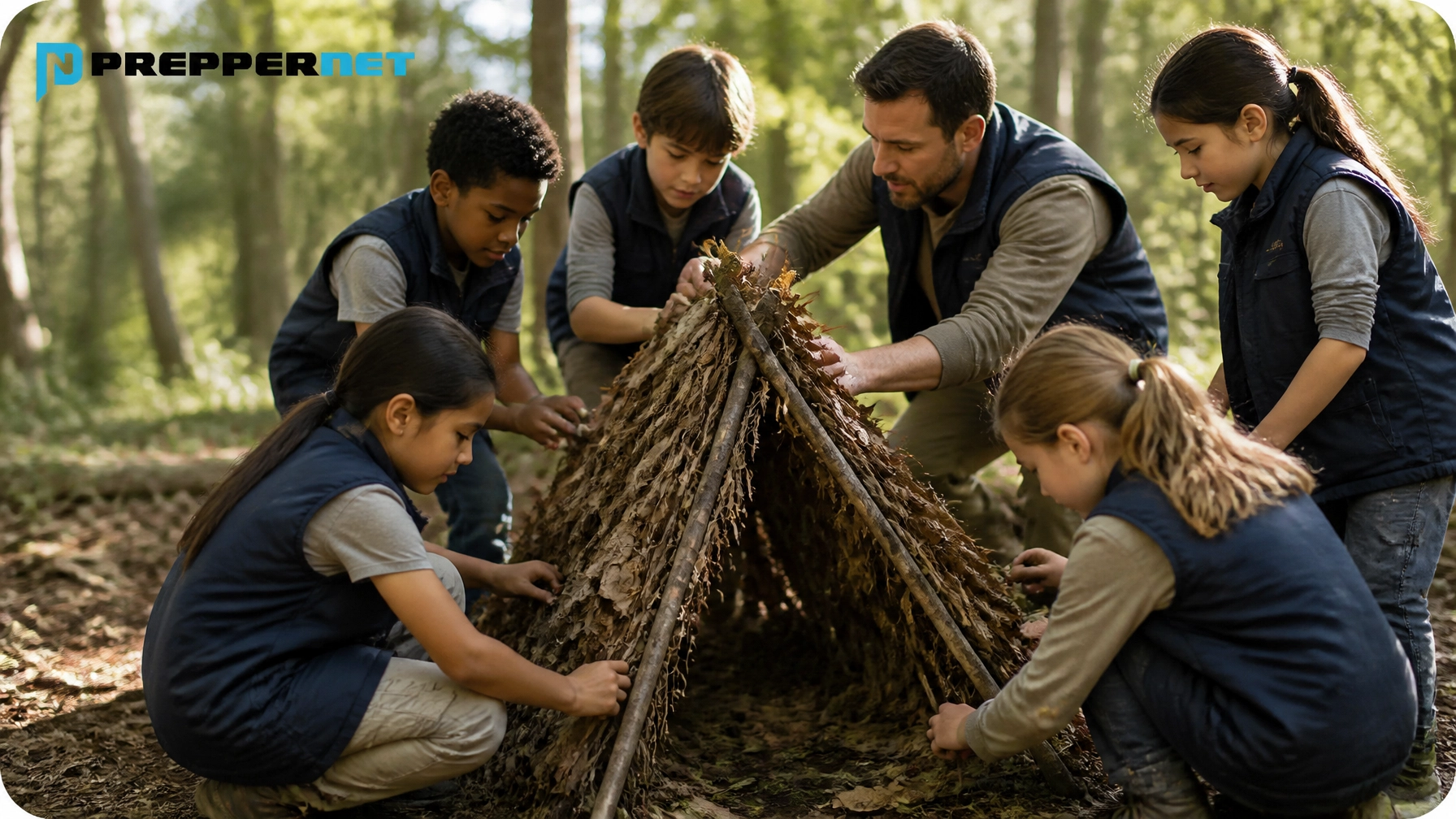
- Featured Image Alt Text: A group of children and a mentor building a debris shelter in the woods, emphasizing hands-on survival training.
- Category: Preparedness
- Target SEO Keywords: family preparedness plan, survival skills, prepping for beginners, teaching kids survival, resilient children, PrepperNet groups.
Related articles
 Preparedness
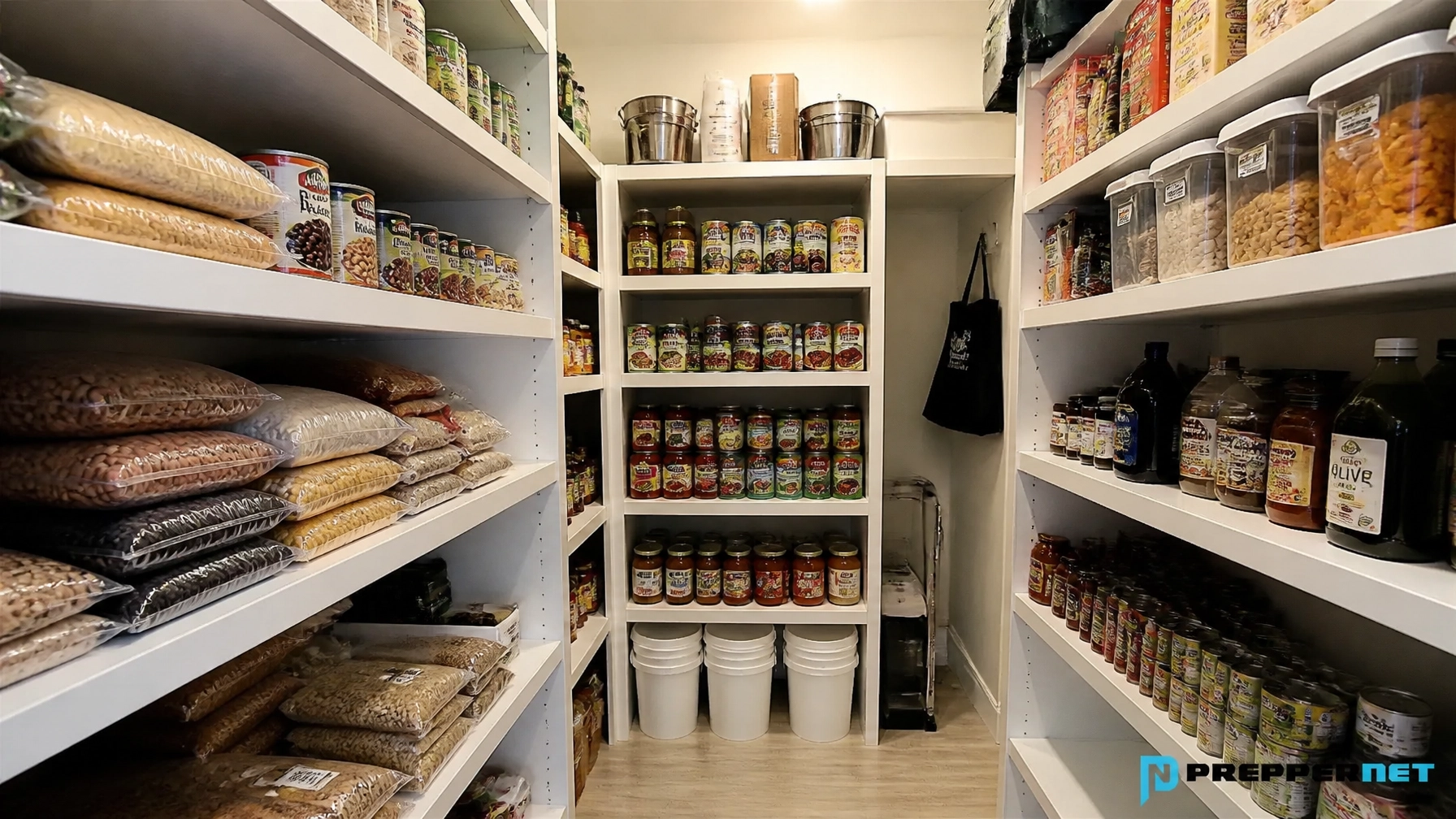
Build a 30-Day Emergency Food Supply on a Tight Budget
Prepping doesn't have to be expensive. Learn the "Deep Pantry" strategy and "Copy-Canning" method to build a 30-day food supply for your family today.
 Preparedness
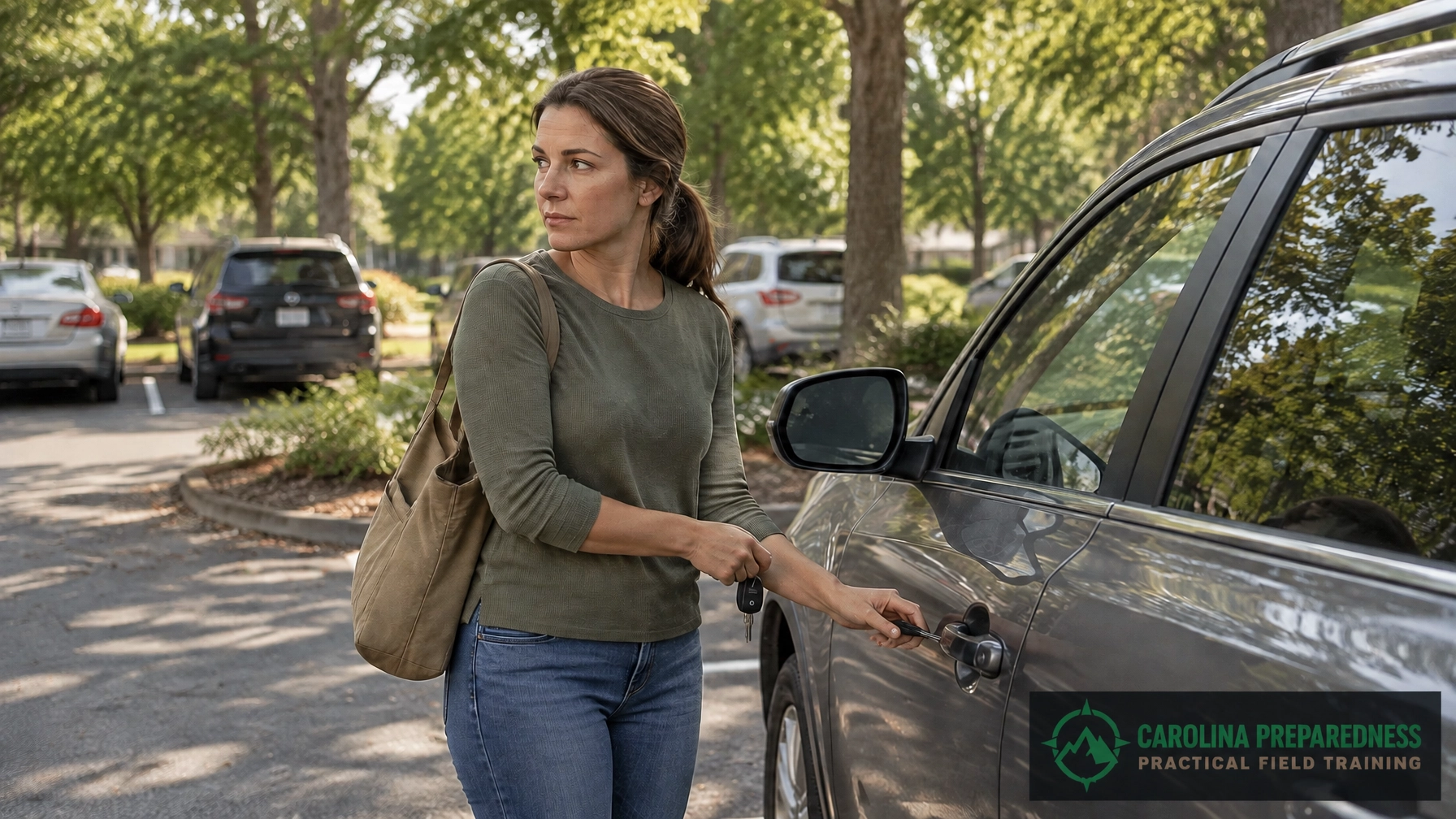
Personal Safety Training: Simple Skills That Work in Everyday Life
Practical personal safety habits for home, in the car, in crowds, and outdoors, plus what beginners can expect from a personal safety class.
 Preparedness
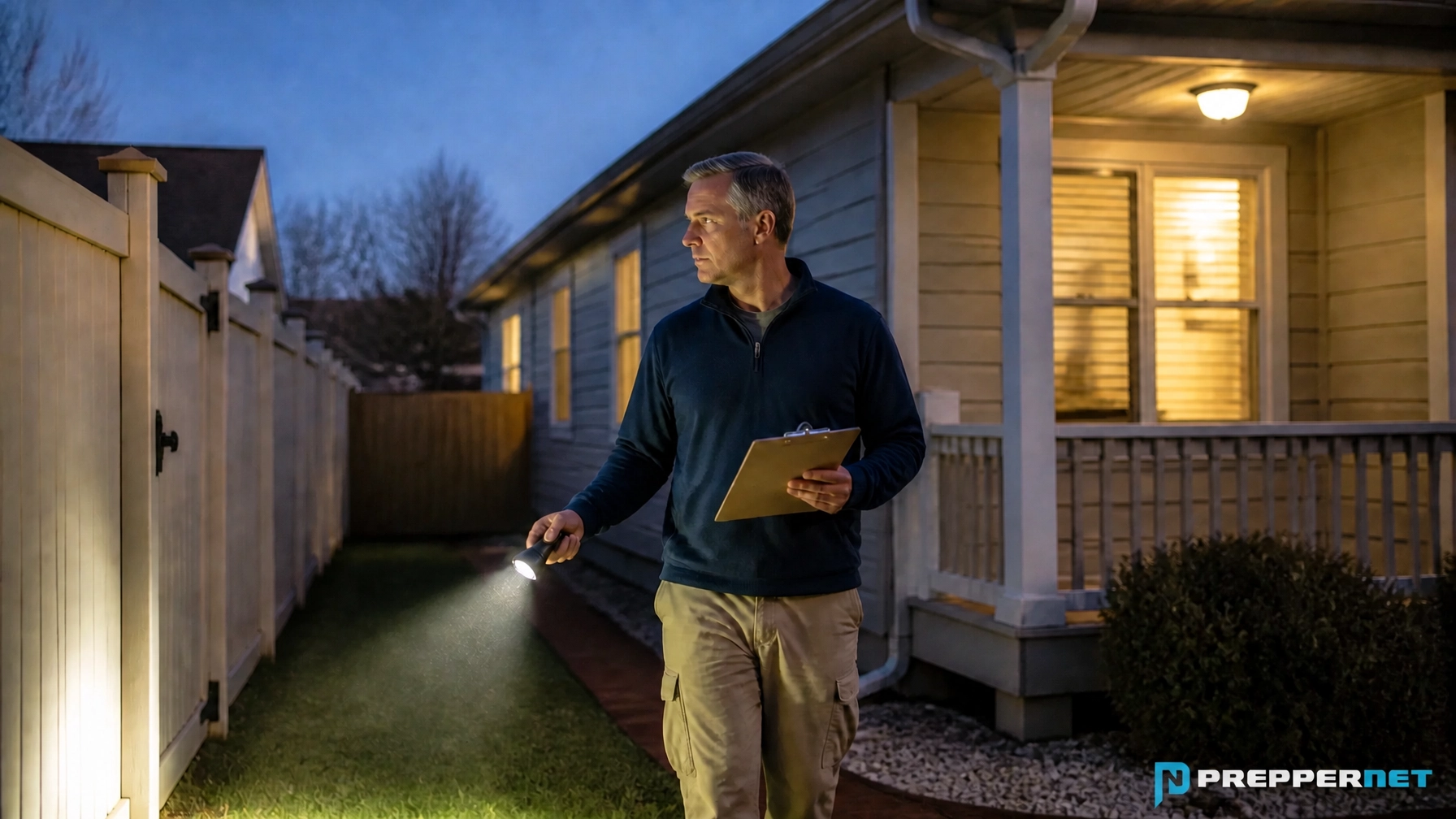
Home Security Fundamentals: Hardening Your Perimeter Before the Crisis Hits
A practical, layered system for improving home security before a crisis. Inspect your perimeter, remove vulnerabilities, harden entry points, improve lighting, and practice with your household.