he Number One Prep: Why a MAG Group Is More Important Than Gear
Discover why a Mutual Assistance Group (MAG) is the most critical asset for emergency preparedness, surpassing gear and gadgets in long-term survival.
We often see the same image when people talk about emergency preparedness. It’s usually a lone survivor in the woods, covered in camouflage, carrying a massive rucksack filled with expensive knives and high-tech gadgets. This "lone wolf" mentality is a popular trope in movies and fiction, but in the real world, it’s a recipe for failure.
We believe that the most critical asset you can have isn't something you can buy at a sporting goods store. It isn't a custom-built rifle or a 25-year supply of freeze-dried beef. The number one prep is: and always will be: your tribe. Specifically, we’re talking about a Mutual Assistance Group (MAG).
In this post, we’ll explore why people matter more than gear, how community aligns with a biblical worldview of stewardship, and why joining a network like PrepperNet is the smartest move you can make for your family's safety.
The Biblical Foundation of Community
Before we talk about tactical advantages or food rotation, we have to look at the "why." For many of us, preparedness isn't just a hobby; it’s a form of stewardship. We believe we are called to be prepared so we can serve others, not just ourselves.
The Bible is very clear that we aren't meant to walk alone. In Ecclesiastes 4:9-12, it says, "Two are better than one, because they have a good return for their labor: If either of them falls down, one can help the other up. But pity anyone who falls and has no one to help them up." This is the foundational principle of a MAG.
We are designed for interdependence. In the New Testament, the church is described as a body with many parts. One person is the hand, another is the eye, and another is the foot. In a crisis, you cannot be the whole body by yourself. You might be great at security, but you can’t perform surgery on yourself. You might know how to garden, but you can't stand guard 24 hours a day.
Biblical preparedness is about building a "cord of three strands." When we come together in a community, we reflect the heart of service that Christ called us to. We don't hoard resources to hide in a hole; we gather resources to ensure our "body": our tribe: survives and remains a light to the world during dark times.

Gear Gives You Options, Community Gives You Capacity
We love gear. If you listen to The Prepping Academy Podcast, you know we enjoy discussing the latest in solar cooking or communication vulnerabilities. But we also know that gear has its limits.
The Limits of Stuff
Gear breaks. It runs out of batteries. It gets lost or stolen. Most importantly, gear requires an operator. A high-end medical kit is just a box of plastic and gauze if no one knows how to use it. A generator is just a heavy paperweight if you don't have the mechanical skills to fix a clogged carburetor.
The Power of Labor
Emergency preparedness is labor-intensive. Think about the daily chores required if the grid goes down:
- Hauling and filtering water.
- Tending to livestock or a large garden.
- Processing and cooking food from scratch.
- Maintaining 24/7 security rotations.
- Caring for children, the elderly, or the sick.
A single family cannot do all of this for long. You will eventually burn out. Sleep deprivation is one of the biggest killers in survival situations. A MAG allows you to split these duties. While you sleep, your neighbor watches the perimeter. While your spouse works the garden, a group member with medical training checks on a sick child. This division of labor is what converts survival into living.
Shared Resources and Specialization
When we work as a group, we can specialize. Instead of every family buying a $2,000 tractor or a $5,000 high-frequency radio setup, the group can coordinate. One family focuses on advanced medical gear, another on heavy tools, and another on long-range communications. This prevents wasteful duplication and ensures the group has a wider range of capabilities than any individual could afford.

Why the Tribe Is the Ultimate Prep
When we talk about "The Tribe," we're talking about more than just a list of names. A real MAG is a group of people who have built trust before the disaster strikes. This is the core of disaster preparedness.
Security and Defense
The "Lone Wolf" often thinks they can defend their home against any threat. But anyone who has served in the military or law enforcement will tell you that one person cannot cover 360 degrees. You have blind spots. You have to sleep. A group provides the manpower necessary for a security detail. It provides a deterrent that a single household simply cannot match.
Psychological Resilience
Isolation is a psychological killer. In a long-term emergency, the stress is immense. Having a tribe means having emotional and spiritual support. It means having someone to talk to when things look bleak. We've seen it in every major disaster: the people who survive and thrive are those who are part of a tight-knit community.
Skills Over Stuff
In a MAG, your value is your skill set, not your bank account. We always encourage our listeners to focus on "skill-building." Whether it's food security or learning how to use an Area Study Map, these skills are your currency within a group. You can lose your gear, but you can't lose your knowledge.

How to Start Building Your MAG
If you don't have a group yet, don't panic. You can't rush trust, but you can start the process today.
- Find Like-Minded People: Look within your existing circles. Your church, your local community center, or even your neighborhood are great places to start.
- Use PrepperNet: This is our number one recommendation for finding your tribe. PrepperNet is a national network designed to connect preppers locally. It takes the guesswork out of finding people who share your values.
- Start Small: You don't need fifty people. Start with two or three families you trust.
- Train Together: Don't just talk about prepping. Go camping. Take a first aid class together. Practice using radios. This builds the "muscle memory" of working as a team.
- Focus on Character: Skills can be taught; character cannot. Look for people who are reliable, honest, and share your moral framework.

Final Thoughts: Don't Prep Alone
We've spent years talking to experts, from former special operators to homesteading pioneers, on The Prepping Academy Podcast. The consensus is always the same: community is the force multiplier.
Your gear is important. Your food storage is vital. But without a tribe, you are vulnerable. Stop focusing solely on the "stuff" and start focusing on the "who." Reach out to your neighbors. Join a local PrepperNet cell. Invest in the relationships that will sustain you when the systems we rely on fail.
Remember, the goal isn't just to survive. The goal is to be a resilient, self-reliant community that can weather any storm and help others do the same.
Stay prepared. Stay connected.
SEO Metadata
- SEO Title: The Number One Prep: Why a MAG Group Is More Important Than Gear
- Meta Description: Discover why a Mutual Assistance Group (MAG) is the most critical asset for emergency preparedness, surpassing gear and gadgets in long-term survival.
- Focus Keyword: Mutual Assistance Group
- Tags: mutual assistance group, MAG group, prepping community, survival group, emergency preparedness, bug out group, community preparedness, prepper network, tribe survival, biblical preparedness
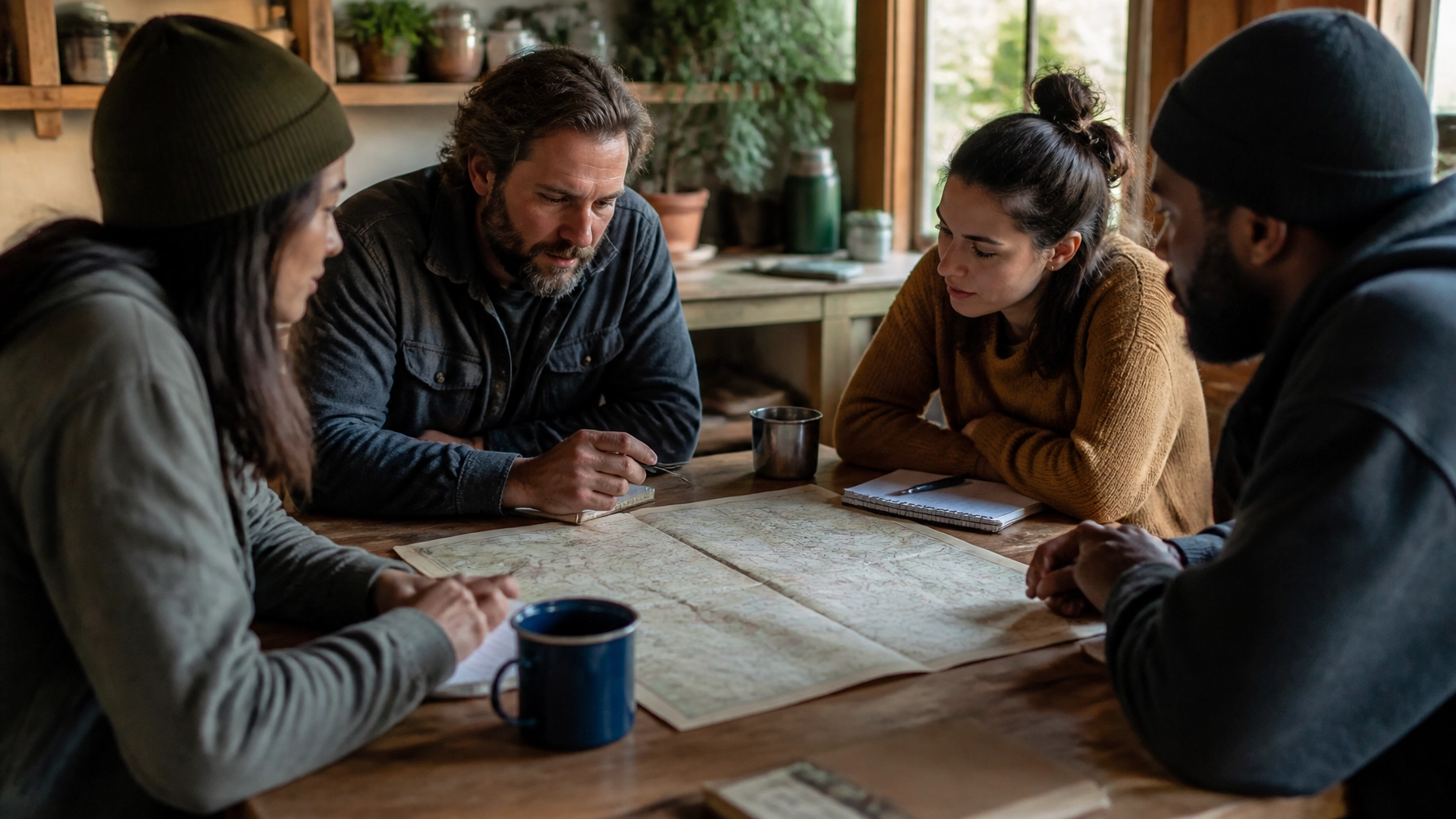
- Featured Image Alt Text: A small group gathered around a rustic wooden table, studying a paper map in soft natural light with warm earthy tones.
- Featured Image Caption: A Mutual Assistance Group (MAG) planning together — the real number one prep.
Frequently Asked Questions
What is a MAG in prepping?
A MAG, or Mutual Assistance Group, is a group of like-minded individuals or families who agree to help each other during emergencies. They share skills, resources, and labor to ensure the group's survival.
How do I find a prepping group near me?
We recommend using PrepperNet. It is a dedicated network for connecting preppers in local areas across the country. You can also look for local "stop the bleed" classes or community gardens to meet people interested in self-reliance.
Is it better to prep alone or with a group?
While personal preparedness is important, long-term survival is much more effective in a group. A group provides security, specialized skills, and shared labor that an individual cannot provide alone.
How many people should be in a MAG?
There is no "perfect" number, but many experts suggest 3 to 10 households. This provides enough people for security rotations and diverse skills without becoming too large to manage or feed.
Related articles
 Preparedness
When the Tap Runs Dry: What the Minnesota Water Facility Hacks Mean for Your Family's Survival
Discover what the coordinated cyberattack on Minnesota water systems reveals about critical infrastructure security and how to build personal water resilience.
 Preparedness
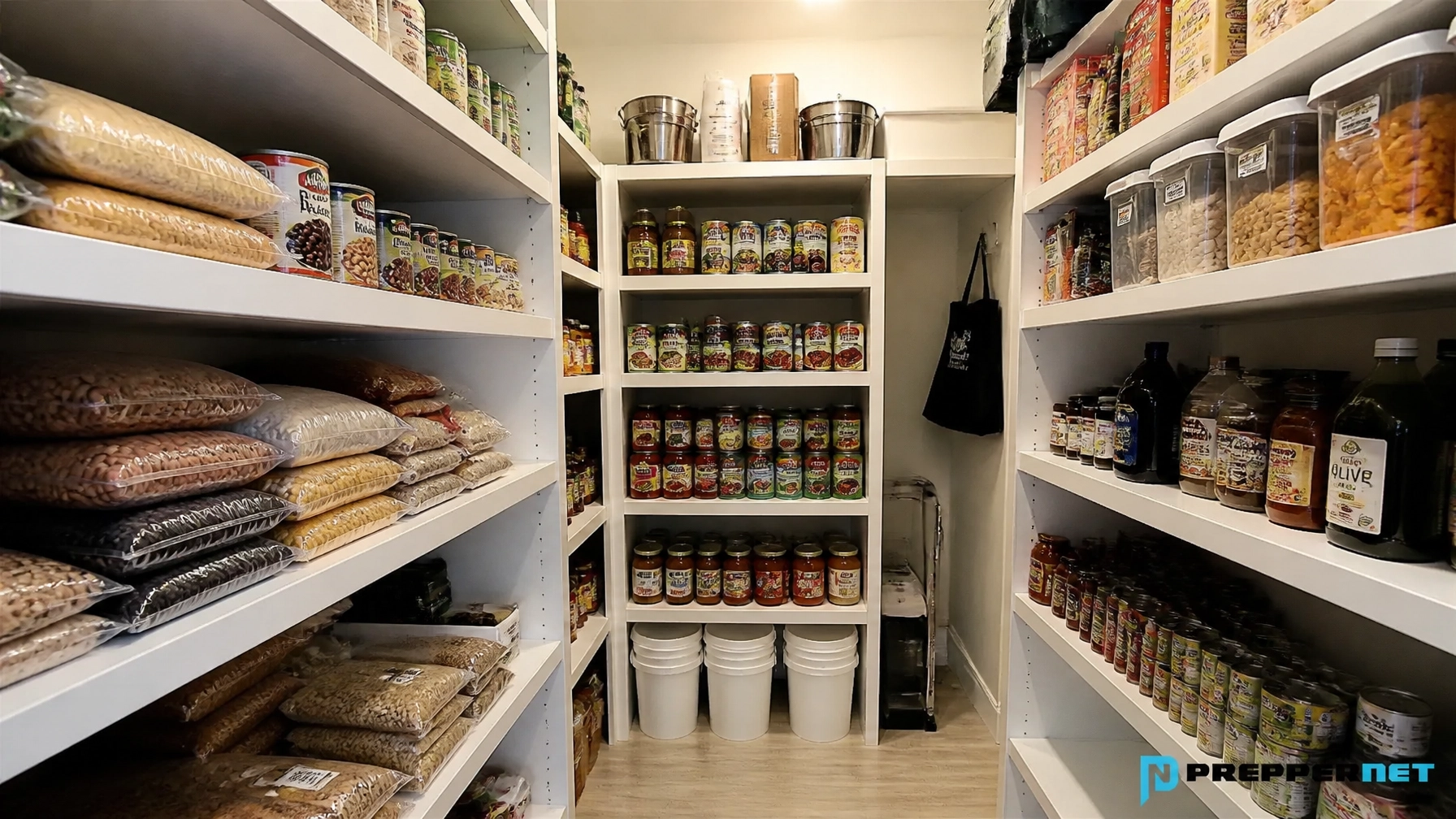
Build a 30-Day Emergency Food Supply on a Tight Budget
Prepping doesn't have to be expensive. Learn the "Deep Pantry" strategy and "Copy-Canning" method to build a 30-day food supply for your family today.
 Preparedness
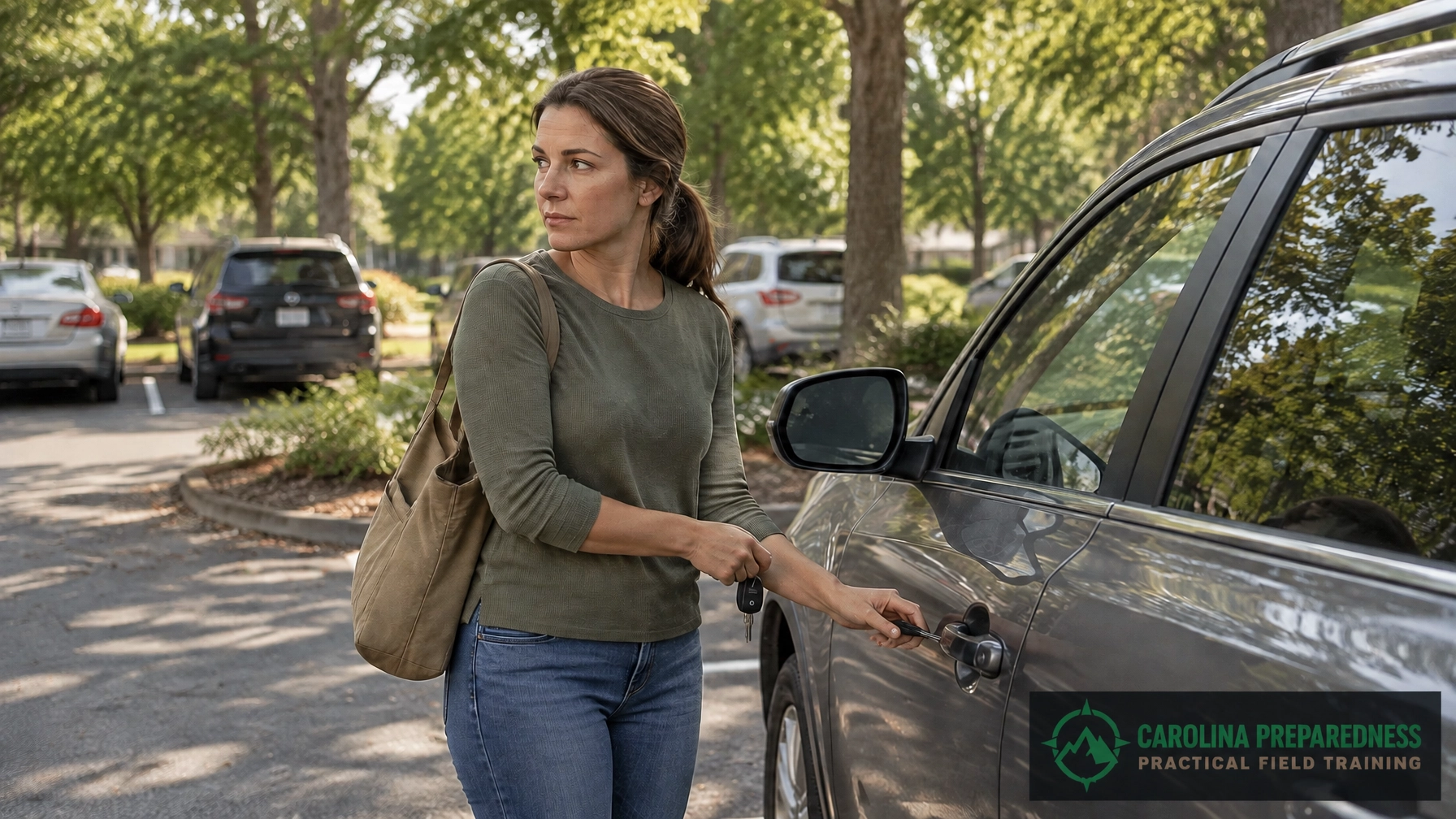
Personal Safety Training: Simple Skills That Work in Everyday Life
Practical personal safety habits for home, in the car, in crowds, and outdoors, plus what beginners can expect from a personal safety class.